Our Approach to PCOS (PMOS)

1. Individualized Root Cause Assessment
Polycystic Ovary Syndrome (PCOS), now more accurately termed Polyendocrine Metabolic Ovarian Syndrome (PMOS), is a complex condition involving hormones, metabolism, inflammation, and the nervous system. Because no two patients present the same way, we take a comprehensive, individualized approach—evaluating insulin resistance, androgen levels, ovulation patterns, thyroid function, and stress response. As part of our assessment, you’ll complete our PCOS/PMOS Quiz to help identify your specific “type,” allowing us to create a targeted plan that addresses root causes rather than just symptoms.
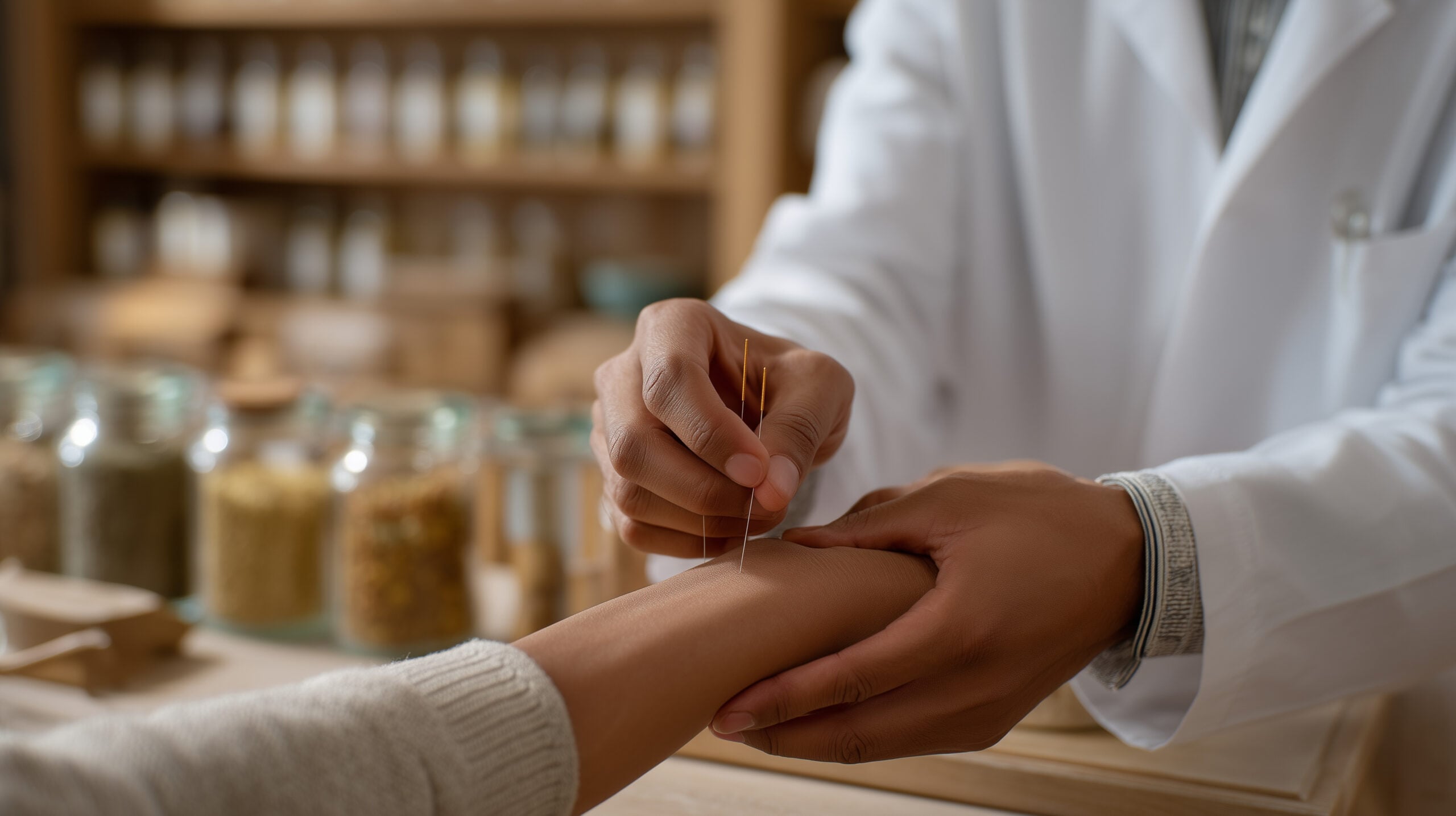
2. Integrative Treatment: Acupuncture and Beyond
Our treatments combine acupuncture, naturopathic medicine, lab testing, nutrition, lifestyle support, and targeted supplementation to address PMOS from multiple angles. When appropriate, renting our MIra Hormone tracker can assess daily hormone fluctuations. When appropriate, we integrate advanced therapies such as Low Level Laser Therapy and acupuncture injection therapy, and we coordinate seamlessly with medications or fertility treatments like IUI and IVF.

3. Reducing Inflammation, Restoring Metabolic & Hormonal Health
Our goal is to go beyond symptom management by addressing the underlying drivers of PMOS—inflammation, metabolic dysfunction, and hormonal imbalance—to restore consistent ovulation and healthy cycles. We help you reconnect with and understand your cycle while improving ovarian function and progesterone production. Through ongoing, individualized care, we support blood sugar regulation, reduce inflammation, and optimize hormone balance—creating a sustainable foundation for fertility, whether you are trying to conceive now or building long-term health.
Acupuncture for PCOS (PMOS)
What is PMOS? PMOS—formerly known as Polycystic Ovary Syndrome—is a common hormonal and metabolic condition affecting about 1 in 8 women. The new name better reflects what’s really happening in the body: this is not just an ovarian condition, but a whole-body syndrome involving hormones, metabolism, and reproductive health. Symptoms can look very different from person to person.
Why the Name Change Matters The term “PCOS” has been misleading:
- It suggests ovarian cysts are the main issue (they are not required for diagnosis)
- It overlooks metabolic and hormonal dysfunction
- It can delay diagnosis and appropriate care
- It contributes to confusion and stigma
PMOS (Polyendocrine Metabolic Ovarian Syndrome) is a more accurate description and includes:
- Polyendocrine → multiple hormone systems are involved
- Metabolic → impacts blood sugar, insulin, and weight
- Ovarian → affects ovulation and reproductive health

How can my fertility improve with Acupuncture for PCOS (PMOS)?
- Regulate hormones
- Lower androgen levels
- Increase Progesterone production
- Regulate and improve ovulation
- Decrease stress which can improve hormone balance
- Decrease inflammation which is often a factor in PCOS
- Support thyroid function which is essential for fertility
- Regulate blood sugar and insulin levels to improve ovarian response
- Increase blood flow to the ovaries to improve function
We recommend fertility acupuncture treatments 1-2 times a week for 3 months for best results. Acupuncture can be done in conjunction with medication to induce ovulation and regulate PCOS such as Clomid and Metformin. It can also be done in conjunction with IUI and IVF. Additionally, Low Level Laser Therapy has shown great promise in the treatment of PCOS (PMOS). We use this and Acupuncture Injection therapy in difficult cases.
How do you know if you have PCOS (PMOS)?
At our clinic we can help determine if your fertility issues may stem from PCOS (PMOS). If they do, we work together to determine how to best treat your body to improve ovarian function and increase fertility. We will ask you in depth questions which will relate to many aspects of your health, not just your reproduction. Acupuncture and East Asian medicine are a vital part of a multi pronged approach involving diet, lifestyle and health management. Check out our blog post including a study of how acupuncture and exercise work to improve PCOS (PMOS) symptoms. Results are even better when they are done together.

Acupuncture for PCOS (PMOS) using an individualized approach.
While Polyendocrine Metabolic Ovarian Syndrome encompasses a broad range of symptoms, not all women will have the same pattern. Women with PCOS (PMOS) will usually be a combination of the following “types.”It is crucial to address all aspects of imbalance to promote fertility.
- Insulin resistance
- Excess Androgens
- HPO- Hypothalamic Pituitary Ovarian Axis issues leading to irregular or absent ovulation
- Inflammation
- Stress
- Thyroid Imbalance
I’ve stopped my birth control and I am just not getting pregnant
Many women with PCOS (PMOS) have been on Oral Birth Control for many years to improve their symptoms. Unfortunately, symptoms will recur once birth control has stopped. Acupuncture can help improve ovarian function and not just suppress symptoms. Many women find that once they stop using birth control they are not sure if they are ovulating. We can help you to understand your cycle and jump start your ovulation after years of birth control. We often recommend our Elemental Detox in this situation.
Cycle mystery solved “Wow–what a revelation…it pretty much all makes sense now…the late ovulation/long cycles, low progesterone, short luteal cycles, high(er) AMH, elevated prolactin/microadenoma, elevated androgens, the way I responded to the injectable fertility meds, etc. I’m equally in total disbelief and frustration on how Western medicine has missed/ignored this, as I am excited and hopeful that I can actually do things naturally to restore balance. ” CR, Seattle
Baby Avery: PCOS (PMOS) I was diagnosed with PCOS (PMOS) and wasn’t ovulating. I don’t care much for
conventional medical approaches and because I wanted to have a baby I didn’t want to take any medications. I knew that for me the process could take months or even years and involve changes in diet and exercise but I felt I could do it. There were times when I would get depressed and want to give up as month after month went by without a pregnancy. Sometime I would ovulate and sometimes months would go by without one. I could see improvements in my basal body
temperature charts though. Gradually I was more consistent. Sometimes my treatments were almost like therapy because I just needed to talk. I always felt better afterword. After 2 years of care I because pregnant with Avery. She has been the best addition to our life. Lucille, age 40
Information